


Updated: October 30, 2026
Intrusive thoughts can be confusing, especially for teenagers who suddenly experience a disturbing thought, image, or urge that feels completely out of character. They might wonder why they thought something so upsetting or worry that the thought says something about who they are. These experiences can become especially difficult when a teen starts avoiding situations, seeking constant reassurance, or spending a lot of time trying to make the thoughts go away.
Everyone experiences unwanted thoughts occasionally. The concern is less about having a particular thought and more about what happens when those thoughts become persistent, distressing, or disruptive to everyday life. Understanding how intrusive thoughts work can help recognize when additional support may be useful.
What Exactly are Intrusive Thoughts?
Intrusive thoughts are unwanted and often distressing thoughts that enter the mind without being intentionally invited. They can involve many different subjects and may seem inconsistent with a person’s values, personality, or intentions.
For example, a teen might experience intrusive thoughts about:
- Something bad happening to themselves or someone they care about
- Accidentally hurting someone
- Violence or self-harm
- Contamination or illness
- Embarrassing situations or past mistakes
- Sexual or inappropriate subjects
- Making a serious mistake
- Their health or safety
- Their identity or relationships
- Superstitious or “what if” thoughts
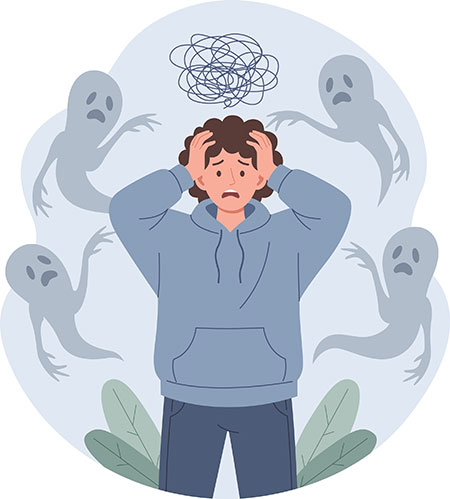
The content of an intrusive thought can be upsetting, but the thought itself does not determine what a person believes or intends to do. It is common to feel disturbed because the thought conflicts with their values or what they actually want.
Why Intrusive Thoughts can Feel so Distressing
An intrusive thought can become particularly distressing when a teen starts wondering what the thought says about them. They may question why they had it, worry that having the thought means they secretly want it, or repeatedly try to determine whether it could come true. These reactions can give the thought more attention and make it feel increasingly important. A teen may also begin avoiding certain situations because they are afraid of triggering another unwanted thought.
For example, someone who experiences an intrusive thought about accidentally hurting someone might avoid being around younger siblings or handling objects they associate with the thought. Someone experiencing contamination fears might begin avoiding certain places or repeatedly washing their hands.
Having an intrusive thought does not mean that it will be acted on. Learning to recognize a thought as a thought, rather than treating it as a prediction or intention, can help reduce the distress surrounding it.
Intrusive Thoughts and Mental Health Conditions
Intrusive thoughts can happen without a mental health disorder. However, persistent or distressing intrusive thoughts can occur alongside certain mental health conditions, including anxiety disorders and obsessive-compulsive disorder (OCD).
OCD is particularly associated with intrusive thoughts. People with OCD may experience recurring, unwanted thoughts, images, or urges called obsessions. These thoughts can create significant anxiety or distress and may lead someone to perform repetitive behaviors or mental rituals in an attempt to feel better or prevent something bad from happening.
Intrusive thoughts can also occur alongside depression and other mental health concerns. Because unwanted thoughts can have many possible causes, a mental health professional can help determine whether they are part of a broader pattern that needs treatment.
How can Intrusive Thoughts Affect Teens?
Intrusive thoughts can affect emotions, behavior, and daily routines, particularly when the thoughts become frequent or difficult to dismiss.
A teen experiencing distressing intrusive thoughts may feel:
- Anxious or frightened
- Confused about why they are having the thoughts
- Ashamed or embarrassed
- Upset or overwhelmed
- Worried that the thoughts reveal something about their character
Some may also change their behavior to avoid situations that trigger unwanted thoughts. They might withdraw from activities, avoid certain people or places, repeatedly seek reassurance, or spend significant amounts of time analyzing whether a thought means something.

Strategies for Managing Intrusive Thoughts
There are several strategies that may help respond to intrusive thoughts without allowing them to take over their attention:
Recognize the Thought Without Judging It
An intrusive thought is a mental event, not necessarily a statement of what you believe or want. Instead of trying to determine why the thought appeared or what it says about you, it can be helpful to acknowledge that the thought occurred and allow it to pass without assigning additional meaning to it.
Avoid Trying to Force the Thought Away
Trying to completely suppress an unwanted thought can sometimes make you focus on it more. Rather than repeatedly telling yourself not to think about something, try noticing the thought without engaging with it and redirecting your attention to what you were doing.
Keep a Thought Journal
Write down your intrusive thoughts and how you respond to them. This can help you notice patterns and find ways to challenge and manage your thoughts.
Practice Mindfulness and Grounding
Mindfulness involves paying attention to the present moment without immediately judging these thoughts or feelings. Grounding techniques can also help when an intrusive thought causes anxiety. Focus on breathing, notice surrounding sensations, or use the five senses to reconnect with the present.
Maintain Healthy Routines
Sleep, physical activity, regular meals, time with supportive people, and enjoyable activities can all contribute to overall mental well-being. Maintaining a predictable routine may also help reduce some of the stress that can make intrusive thoughts feel more difficult to manage.
Talk to Someone Trustworthy
Teens do not have to handle distressing thoughts on their own. Talking with a parent, caregiver, school counselor, therapist, or another trusted adult can provide support and help recognize when additional care may be needed.
Set Limits with Technology
Take steps to set boundaries and limit your exposure to social media and other digital platforms. This can help you avoid exposure to stressful or upsetting content online, which can help reduce intrusive thoughts.
Be Kind to Yourself
When you have intrusive thoughts, remember to be kind to yourself. Having these thoughts does not make you a bad person. Treat yourself with the same kindness you would offer a friend in a similar situation.
When Should a Teen Get Help for Intrusive Thoughts?
Occasional unwanted thoughts are a normal part of having a mind that generates ideas, memories, images, and possibilities. Professional support may be appropriate when intrusive thoughts become difficult to manage or begin interfering with everyday life.
Parents and caregivers may want to seek an evaluation if a teen:
- Experiences intrusive thoughts frequently or intensely
- Becomes highly distressed by unwanted thoughts
- Avoids school, activities, people, or places because of the thoughts
- Repeatedly asks for reassurance about the thoughts
- Develops repetitive behaviors or mental rituals to reduce anxiety
- Has difficulty sleeping, concentrating, or completing daily responsibilities
- Withdraws from family or friends because of their thoughts
- Feels unable to manage the thoughts independently
A mental health professional can evaluate the symptoms and determine whether the intrusive thoughts are part of anxiety, OCD, depression, PTSD, or another concern, or whether they occur independently.
Treatment for Intrusive Thoughts in Teens
Treatment for intrusive thoughts depends on what is causing them and how they are affecting the teen. Psychotherapy can help adolescents understand their thought patterns, manage anxiety, develop coping strategies, and change behaviors that may be reinforcing distress.
For those experiencing intrusive thoughts as part of OCD, cognitive behavioral therapy (CBT), including exposure and response prevention (ERP), may be recommended. Treatment focuses on helping respond differently to intrusive thoughts and gradually reduce the behaviors or rituals used to manage anxiety.
Others may benefit from treatment focused on anxiety, depression, trauma, or another underlying concern. A psychiatric provider may also recommend medication in some circumstances. The appropriate treatment plan depends on the individual and should be developed with a qualified mental health professional.
Support for Teens Experiencing Intrusive Thoughts
Intrusive thoughts can be unsettling, particularly when it is not understood why they are happening. With the right support, adolescents can learn that having an unwanted thought does not define who they are or determine what they will do.
At EmbraceU, we provide treatment for those who need additional support managing mental health challenges. Our goal is to help individuals understand what they are experiencing, develop practical coping skills, and build greater stability in their everyday lives.