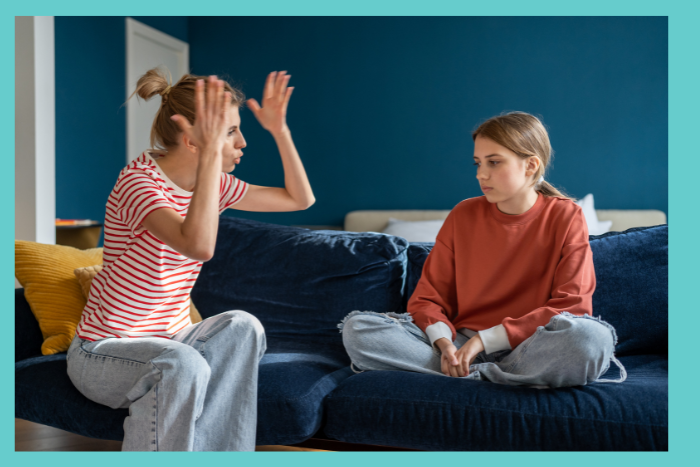


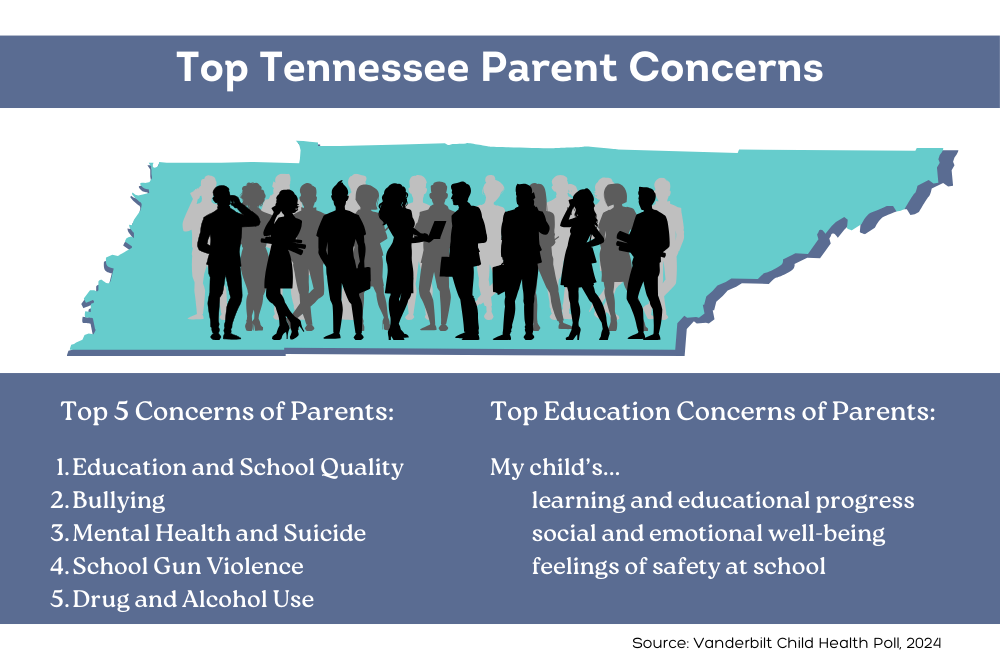
About one out of four adolescents across the nation experience symptoms of anxiety, depression, or behavior and conduct problems, including attention-deficit/hyperactivity disorder, according to the latest data from the National Survey of Children’s Health. In Tennessee, parents report similar rates of mental and behavioral health challenges in their children. The 2023 Tennessee Child Health Poll, conducted by researchers at the Vanderbilt Center for Child Health Policy, found that roughly 29% of Tennessee parents were concerned that their child had undiagnosed anxiety or depression.
Key Findings in the Tennessee Child Health Poll
- 50% of parents of children diagnosed with a mental health condition reported their child did not receive treatment.
- 30% of parents reported their children received mental health care from a pediatrician or family doctor instead of a mental health provider.
- 20% of parents reported concerns that their child had undiagnosed anxiety.
- 14% of parents reported concerns that their child had undiagnosed depression.
What mental health issues are therapists seeing in Middle Tennessee?
We talked with four local therapists who work with adolescents about the mental health challenges they’re seeing in Middle Tennessee recently. Low self-esteem, loneliness, and underdeveloped communication skills emerged as key issues that contribute to symptoms of depression, anxiety, and a lack of self-worth.
“When someone experiences low self-worth and disconnectedness, it exacerbates mental health symptoms that may already exist,” said Rachel Holloway, MS, LPC-MHSP, a therapist at Embrace U, an adolescent mental health clinic offering outpatient treatment programs.
“Peer relationships are such a huge part of the development of an adolescent,” said Christine Finnegan, LPC-MHSP, NCC, MT-BC, founder and clinical director of Replenish Her Counseling. “A lack of confidence and lack of communication skills make for poor relationships and there’s all sorts of things like anxiety and depression and self-harming that come out of that.”
During puberty, especially the teenage years, young people are starting to figure out who they are. Most teens think about how they are viewed by others and how they want to be seen. They attempt to work out who they are by trying on new identities, measuring the reactions they get from others, and exploring new relationships.
“A lot of teens have no idea who they are, what they’re feeling, what they like, or what they don’t like,” Finnegan said. “Everything is so externalized. Everything is so fixated on what others expect of them, from school and family and friends and athletics. They can really struggle to know how they feel internally about something, which then translates into, ‘How do I communicate a boundary? How do I communicate a need? How do I reach out and ask for support? These are really difficult feelings that I’m having and I don’t even know how to identify them in the first place.’”
Rebecca Stewart, LCWS, a therapist at Embrace U, said she primarily sees adolescents experiencing anxiety, depression and attention-seeking behaviors. She’s noticed that many teenagers lack the high structure and overt positive and negative consequences needed to create a solid foundation for problem-solving or independent thought.
“This can look like symptom accommodation from the family unit, permissive parenting techniques, and a lack of positive consequences for positive behavior in combination with body chemistry changes, unhealthy habits, and an unwillingness to look at long-term effects of decisions made,” Stewart said.
How Social Media Impacts the Mental Health of Teens
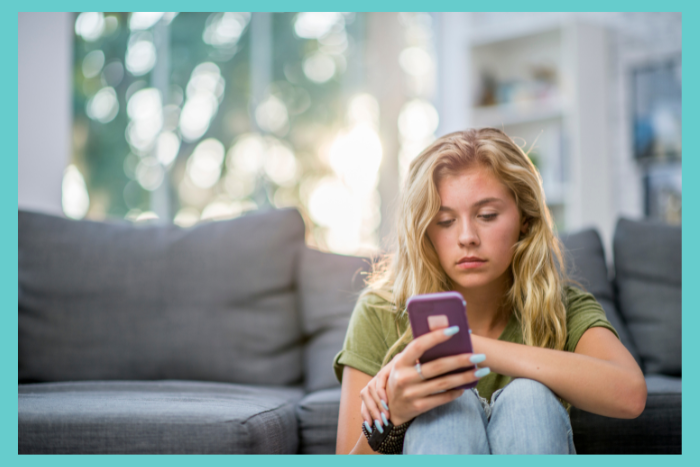
It’s hard for adolescents today to escape the pervasiveness of social media. Platforms like Facebook, TikTok, Instagram and Snapchat shape the way we communicate, connect, and consume information. Social media influences our interactions and relationships. It’s no surprise then that Middle Tennessee therapists are seeing the impacts of social media on young people.
“Use of social media is a topic parents need to be aware of, especially how it impacts a child’s mental health,” said Lydia Thompson, MA, LPC-MHSP, a counselor and founder of Concord Family Counseling. “Social media does a really good job of normalizing and connecting people, including teenagers. So that’s the positive side of things. It can also impact self-image and could be the root cause of low self-esteem, disconnection, and I think in a weird way regulation.”
Thompson said the endless scrolling that many of us do on social media platforms tends to “numb us out.” When it comes to adolescents who often experience big feelings, they may be using social media as a kind of coping mechanism to “numb out” emotions they find intolerable and avoid the present moment.
Another trend Thompson has noticed is teens using social media as a way to self-diagnose. She said many adolescents engage with mental health content on social platforms, which she applauds, but fears they view opinions and theories expressed on apps as expert advice.
“I have teenagers coming in and saying I have blank, or I have ADHD, or I have autism, I’m bipolar,” she said. “TikTok and other social media cannot diagnose, but that’s what I’m seeing a lot with the teenagers that are coming in. They are consuming social media related to mental health, yay, but they are coming in self-diagnosing.”
Thompson doesn’t recommend keeping adolescents off social media. She said teenagers are typically going to be ahead of their parents when it comes to technology and using social media. She’s seen parents restrict social media or take away their child’s phones and said that can contribute to feelings of isolation.
“What we do at Concord Family Counseling is help parents and teenagers build a trusting relationship and get down to the root causes and root problems of social media usage,” she said. “It leads to a more collaborative parent-child relationship. Because you can just never stop them. I have parents saying, ‘They outsmarted me once again.’”